Space & Exploration

Will Perseid shooting stars be visible during the Aug. 12 total solar eclipse?
5 min read
Will Perseid shooting stars be visible during the Aug. 12 total solar eclipse?

Will Perseid shooting stars be visible during the Aug. 12 total solar eclipse?

"If anyone does see one, they had better go play the lottery asap!"

When you purchase through links on our site, we may earn an affiliate commission. Here’s how it works.
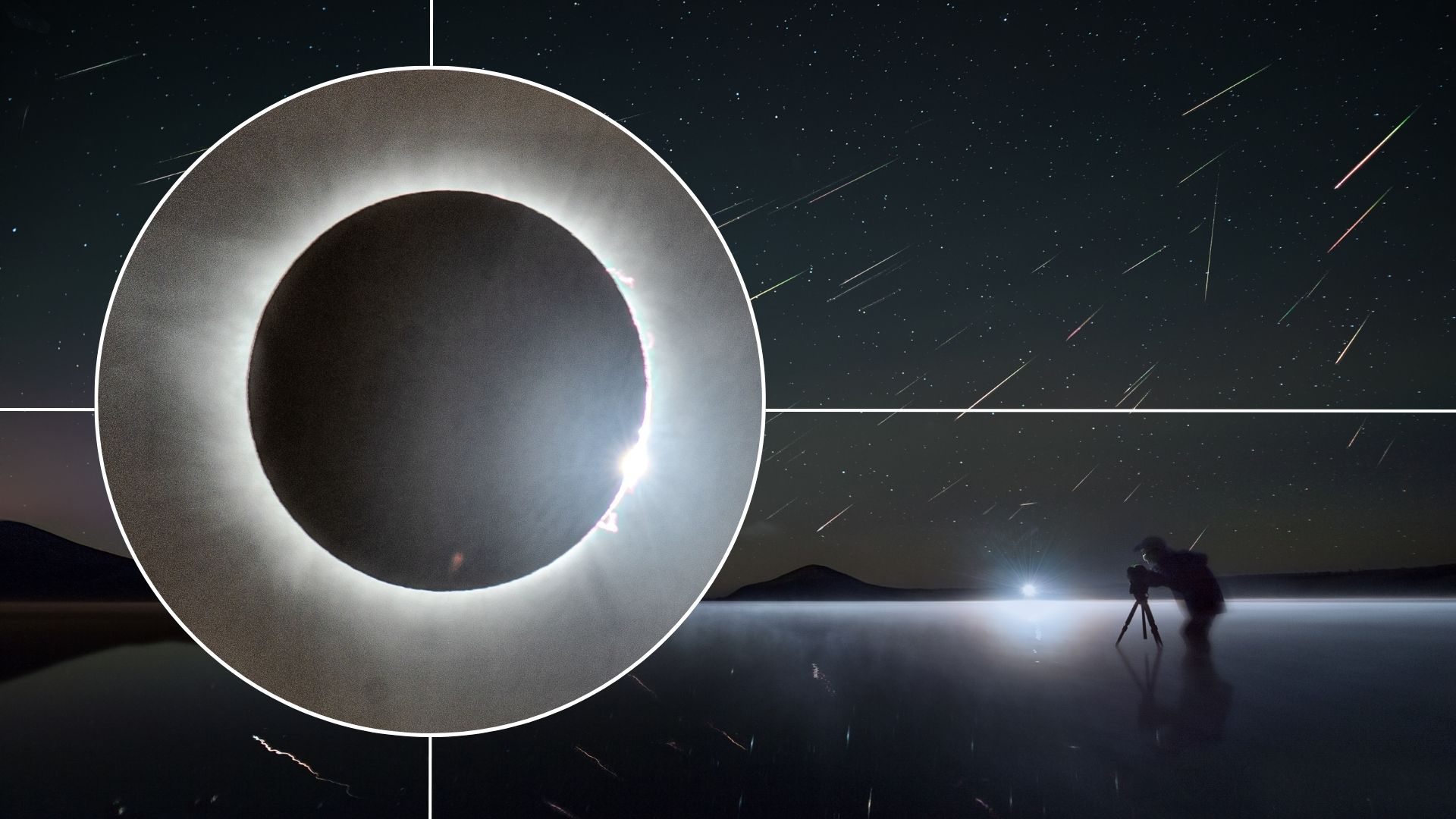
Perseid meteors are pictured streaking towards earth above a lake with an image of a totally eclipsed sun in an inset to the left, with white lines emanating outward.
Could a fireball burn through the false dusk of a total solar eclipse? (Image credit: Inset: Photo by: Edwin Remsberg/VWPics/Universal Images Group via Getty ImagesBackground: Haitong Yu)

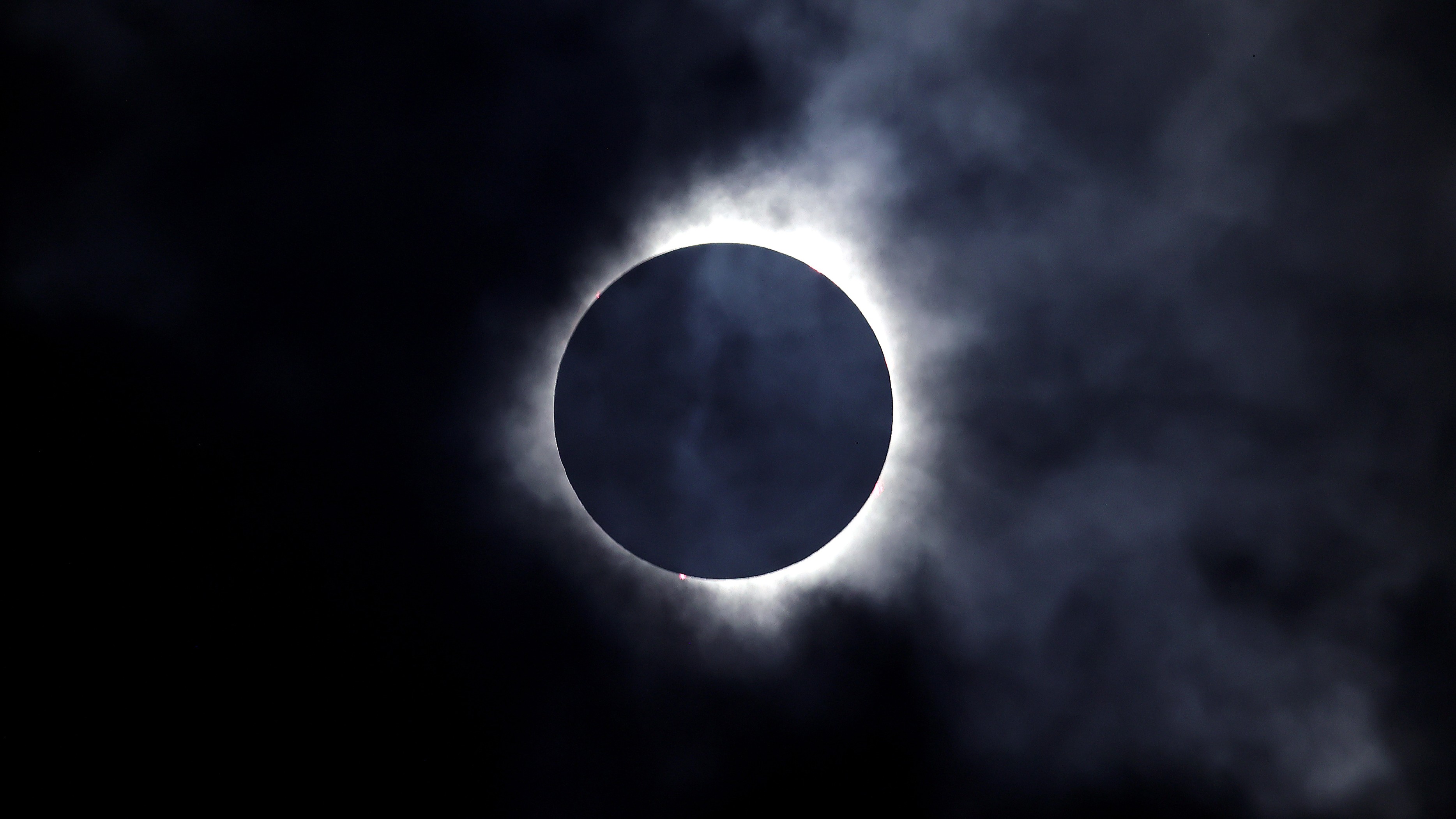
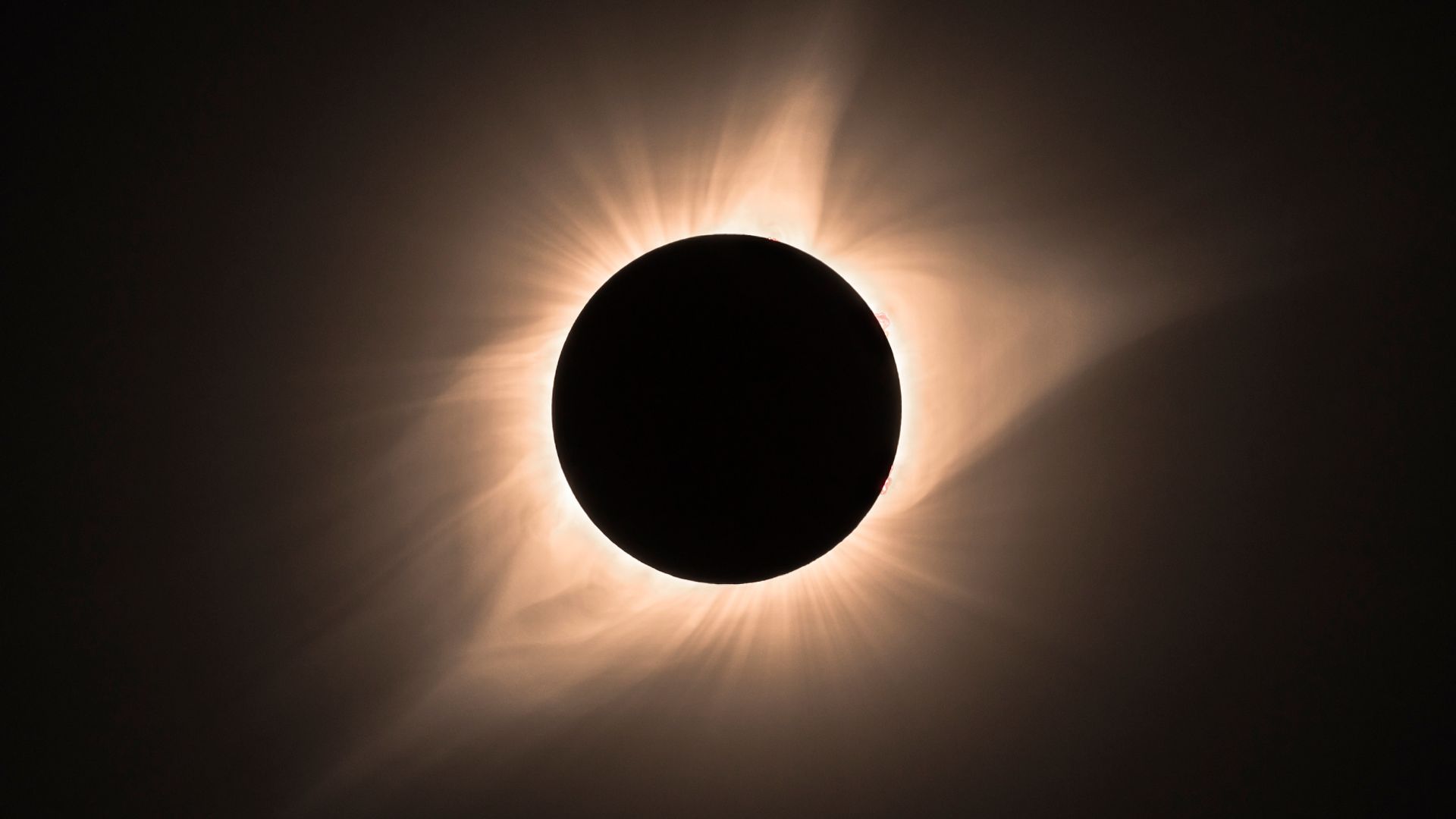
A spectacular total solar eclipse will coincide with the peak of the Perseid meteor shower on Aug. 12-13. But will you be able to spot shooting stars in the false twilight of totality?

Perseids appear as Earth plows through the stream of debris shed by comet Swift-Tuttle. Up to 100 shooting stars may be seen each hour around its peak under ideal dark skies, as particles from the ancient comet collide with our atmosphere at speeds of 133,200 mph (214,365 km/h) to etch a fiery path through the summer night sky.

It's an unmissable highlight of the skywatching calendar, supercharged in 2026 by the spectacle of a total solar eclipse, which will plunge millions across Greenland, Iceland and Spain into the darkness of an eerie twilight, as the moon crosses the face of the sun.

Is it possible to see shooting stars during totality?

Yes. The most brilliant Perseid shooting stars can shine bright enough to be spotted in the brief twilight of totality. But it's all a question of timing.

"It would have to be a fireball that passed through the darkest portion of the sky," Robert Lunsford of the American Meteor Society told Space.com in an email. "The Perseids usually produce about one fireball per three hours at night. That's asking a lot for one of these bright meteors to appear during a 2-3 minute window. If anyone does see one, they had better go play the lottery asap!"
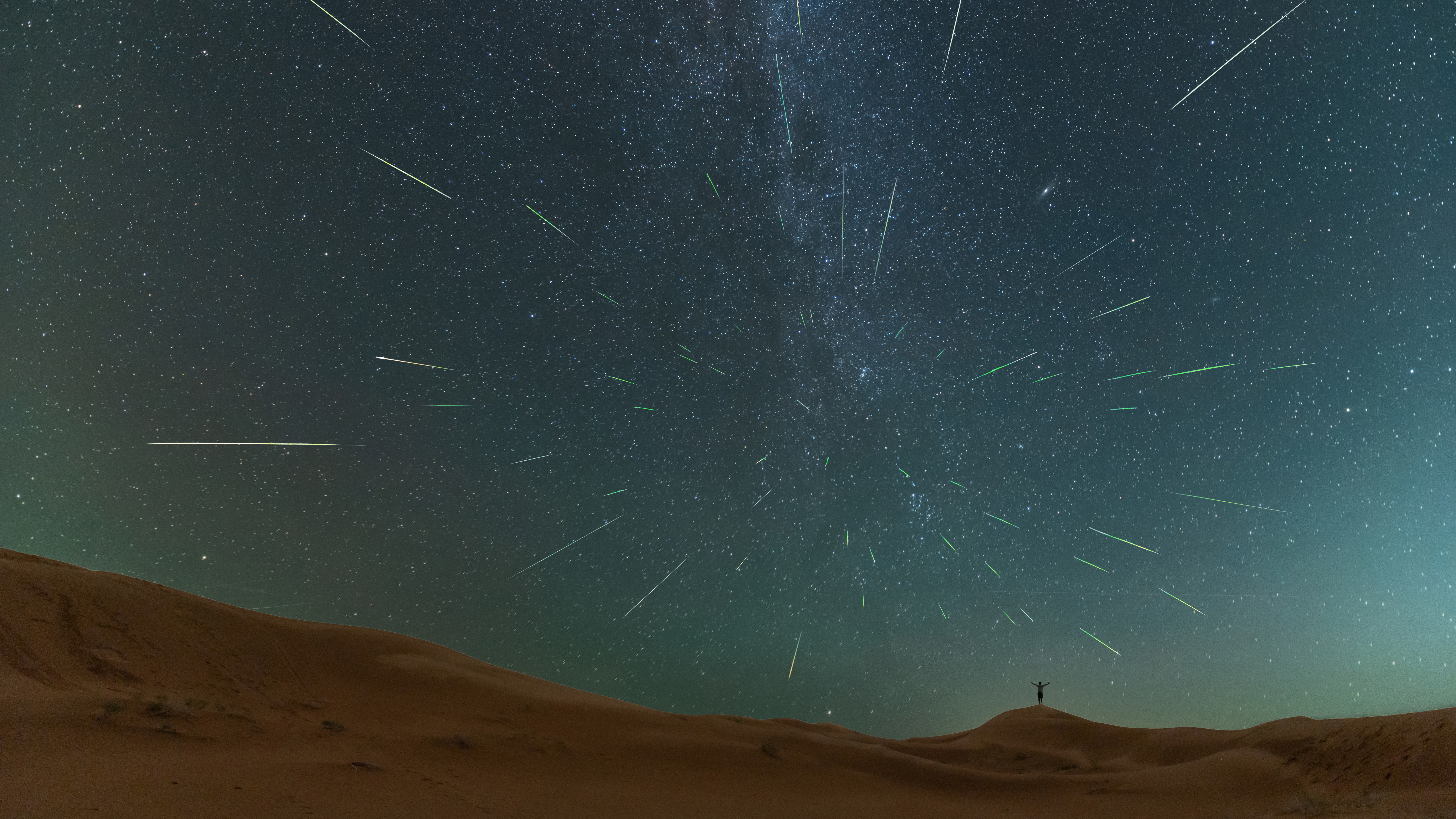
Perseid meteors are photographed heading towards a person standing in a desert at night through a starry sky.
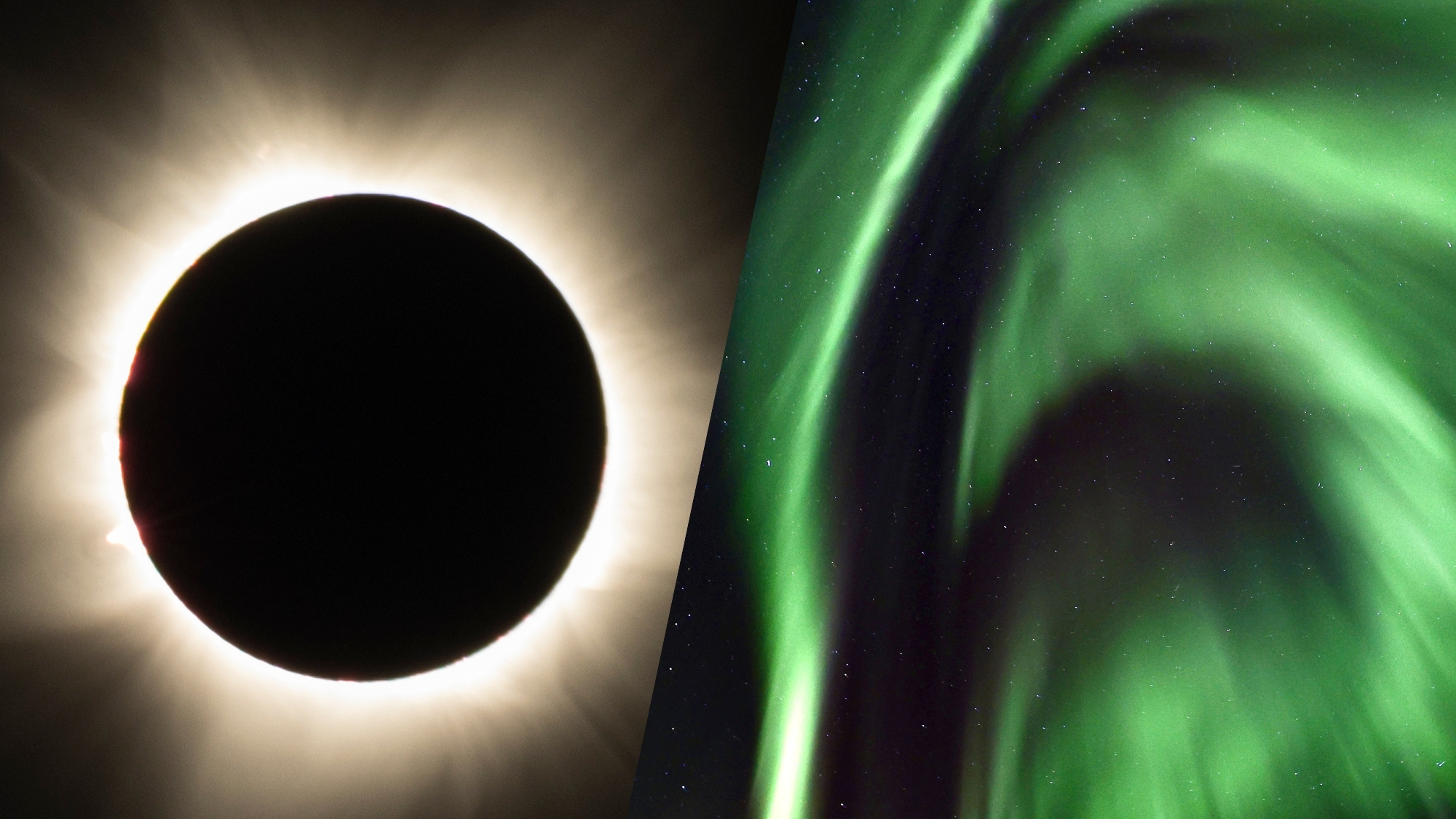
two panel image on the left is a total solar eclipse with the corona glowing like a while halo around the moon on the right is a beautiful green auroral corona - whereby it appears overhead and looks like it is reaching down toward the observer.
a murky total solar eclipse with part of the corona visible through dramatic clouds.
A fully eclipsed sun is photographed at the height of a total eclipse in a black sky, with its golden atmosphere streaming away from the lunar disk.
The sky will take on the appearance of dusk as totality falls. (Image credit: John Finney Photography via Getty Images)

NASA Meteoroid Environments Office head Bill Cooke added his own word of caution, noting that the relatively bright sky during totality will likely hide all but the most brilliant Perseids from sight.

"Only Perseid fireballs will be visible," Cooke told Space.com in an email. "Given the brightness and duration of the eclipse, you might see one if you're extremely, extremely lucky. [The] most likely scenario is that you will see no meteors whatsoever."

Space
Space
Celestron EclipSmart Safe...
Amazon
Amazon
Prime
Prime
Celestron 10x42 EclipSmart...
BHPhoto
BHPhoto
Celestron - EclipSmart 10x42...
Best Buy
Best Buy

The odds are definitely stacked against you. But you never know. A piece of comet Swift-Tuttle could've broken away at just the right time, at just the right point in its orbit to meet a fiery end in Earth's atmosphere, just as the sun slips from view. As for our advice? Keep your eyes locked firmly on the eclipse as it unfolds in the skies above you. There'll be plenty of time for hunting Perseids later.

Want to capture gorgeous photos of the Aug. 12 cosmic doubleheader? Then be sure to read our expert guides to imaging a total solar eclipse, along with tips on photographing fast-moving meteors. You can also stay up to date with all the latest news and reports for the field with our total solar eclipse live blog!

Editor's Note: If you would like to share your astrophotography with Space.com's readers, then please send your photo(s), comments, and your name and location to spacephotos@space.com.

You must confirm your public display name before commenting

Please logout and then login again, you will then be prompted to enter your display name.
Article image

Anthony Wood joined\u00a0Space.com\u00a0in April 2025 after contributing articles to outlets including IGN, New Atlas and Gizmodo. He has a passion for the night sky, science, Hideo Kojima, and human space exploration, and can\u2019t wait for the day when astronauts once again set foot on the moon.","collapsible":{"enabled":true,"maxHeight":250,"readMoreText":"Read more","readLessText":"Read less"}}), "https://slice.vanilla.futurecdn.net/13-4-25/js/authorBio.js");
} else {
console.error('%c FTE ','background: #9306F9; color: #ffffff','no lazy slice hydration function available');
}
Anthony WoodSkywatching WriterAnthony Wood joined Space.com in April 2025 after contributing articles to outlets including IGN, New Atlas and Gizmodo. He has a passion for the night sky, science, Hideo Kojima, and human space exploration, and can’t wait for the day when astronauts once again set foot on the moon.
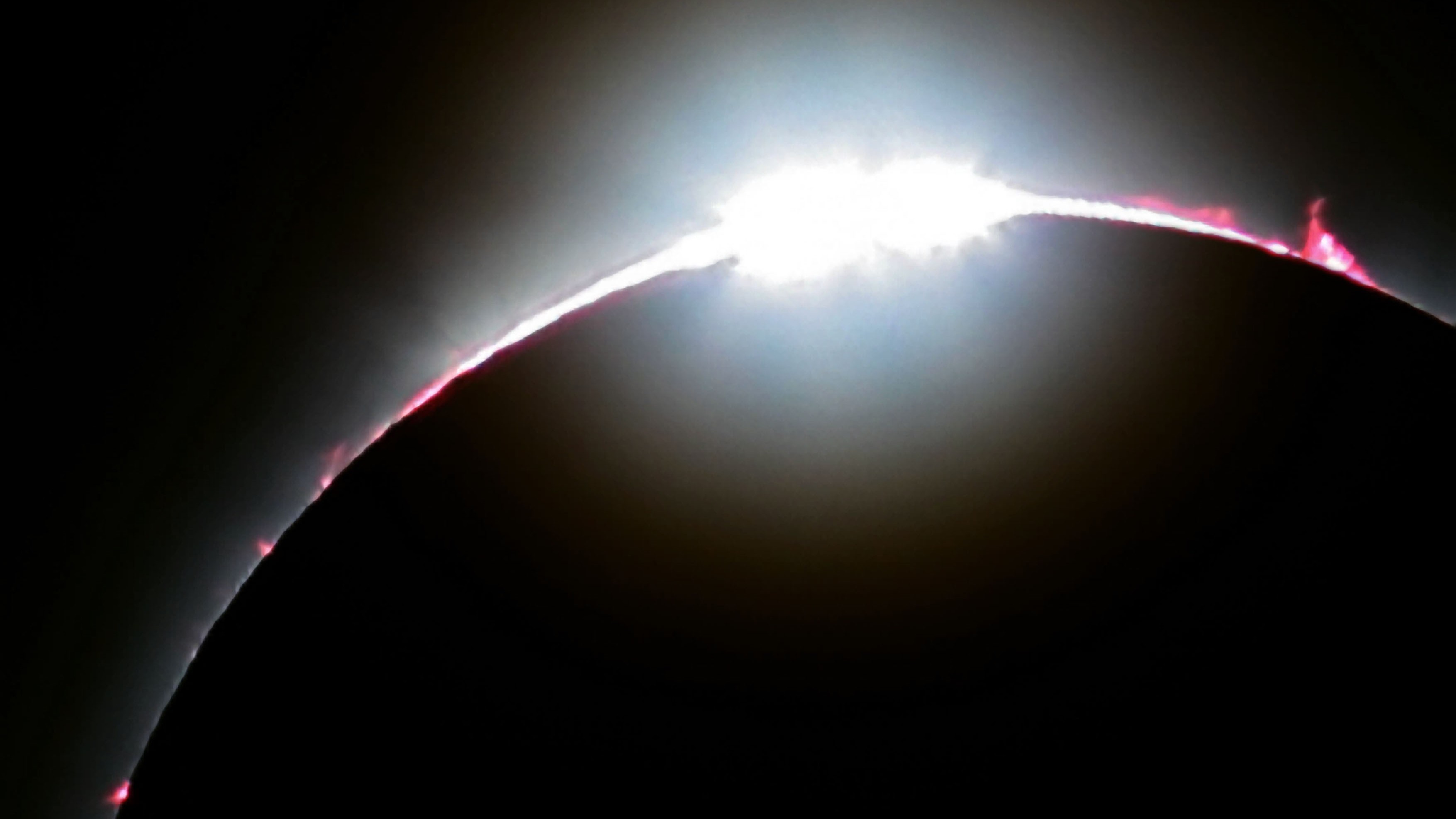
a bright light shines from behind the moon creating a diamond ring effect. there are bright pink prominences lifting off from the edge of the sun.
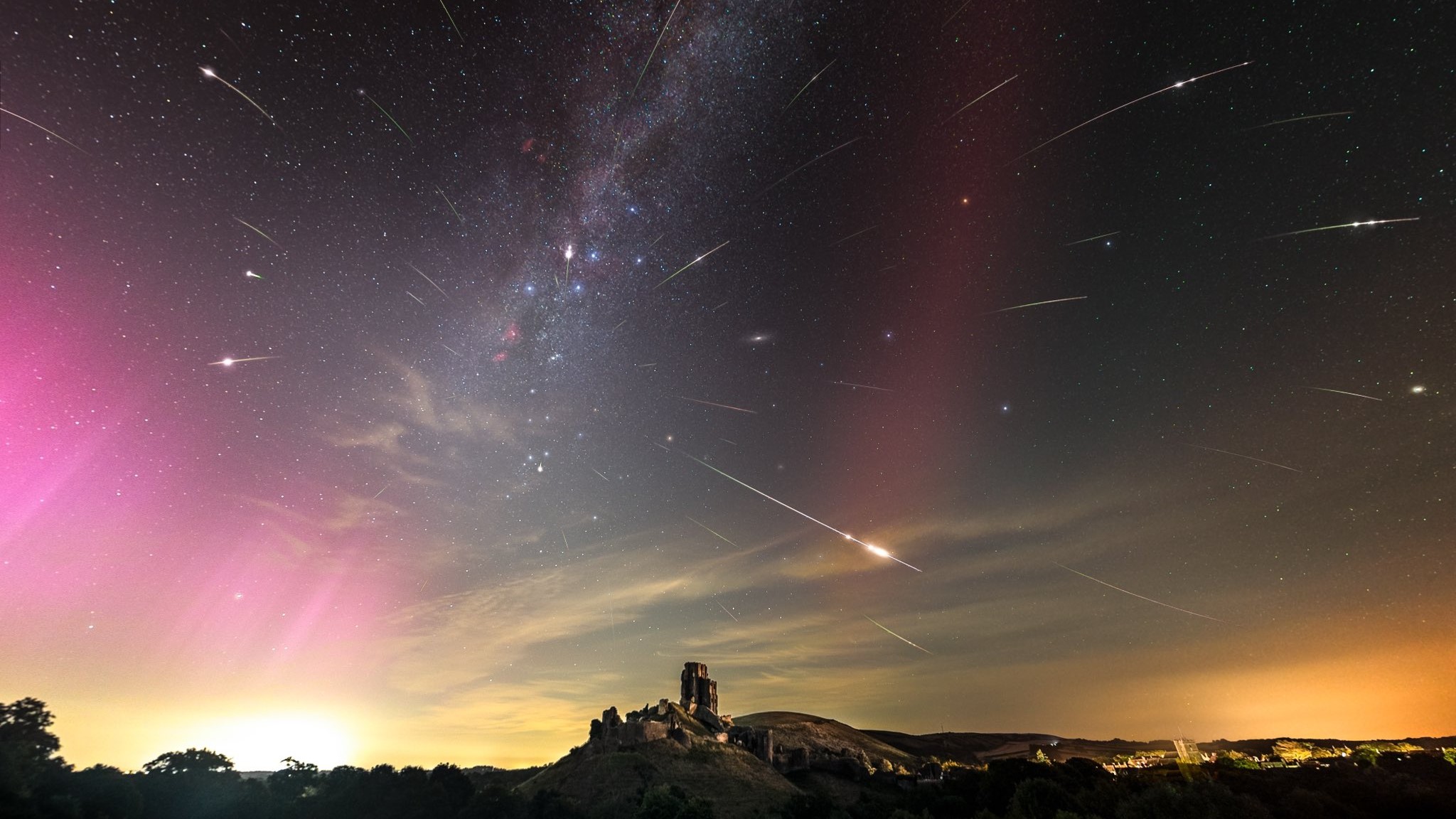
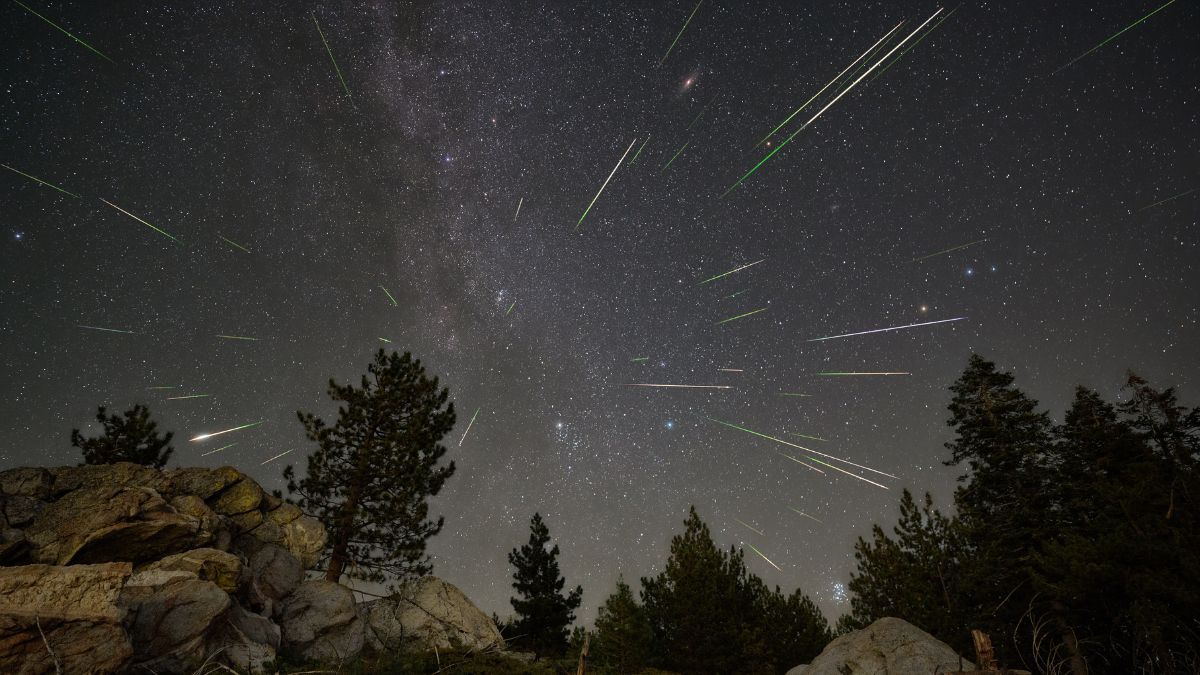
night sky scene with meteors streaking out from the center of the image, trees silhouetted below.
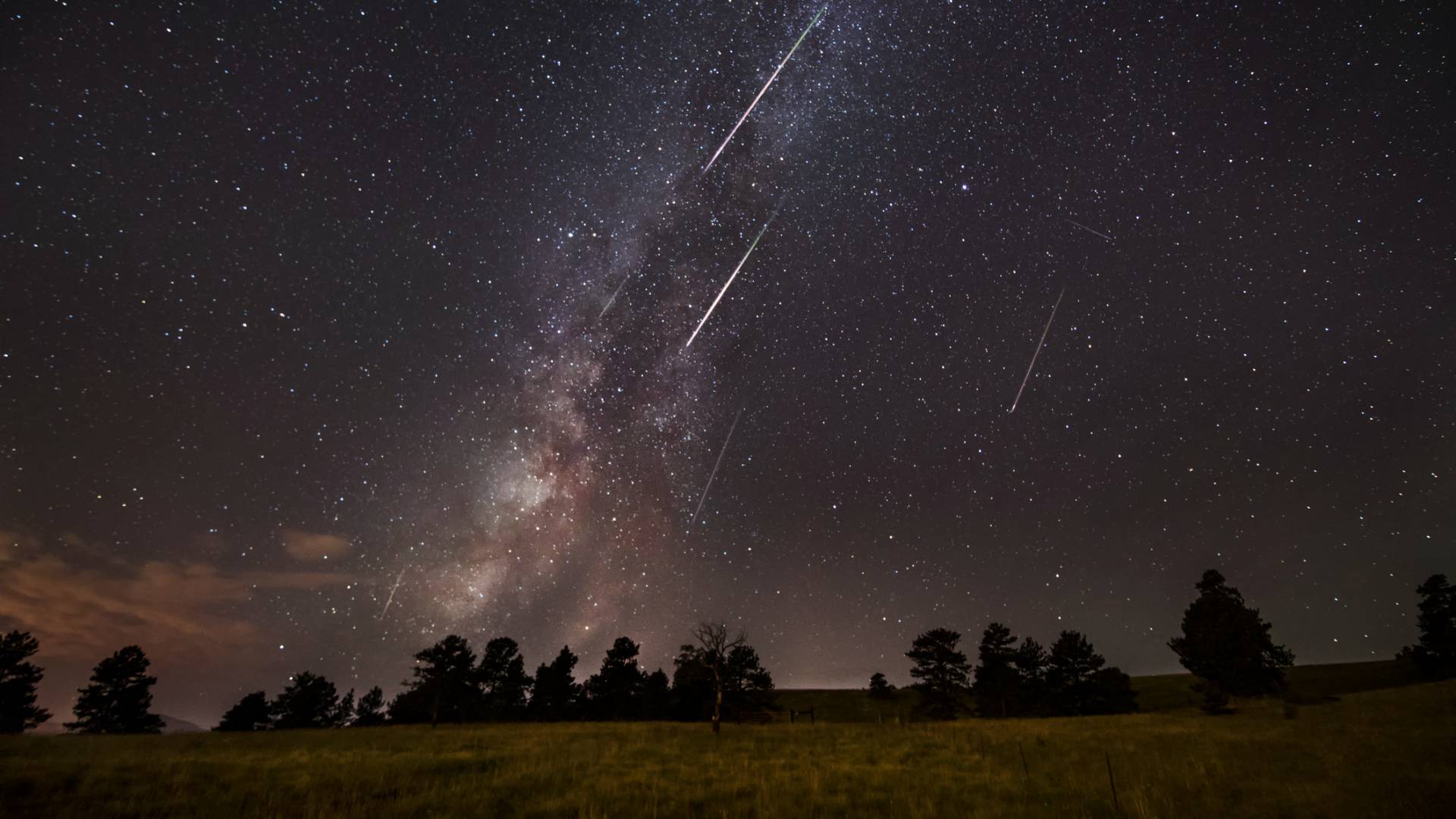
A night sky filled with stars and the Milky Way, featuring several bright Perseid Meteor Shower streaks above the silhouette of trees and a grassy field.
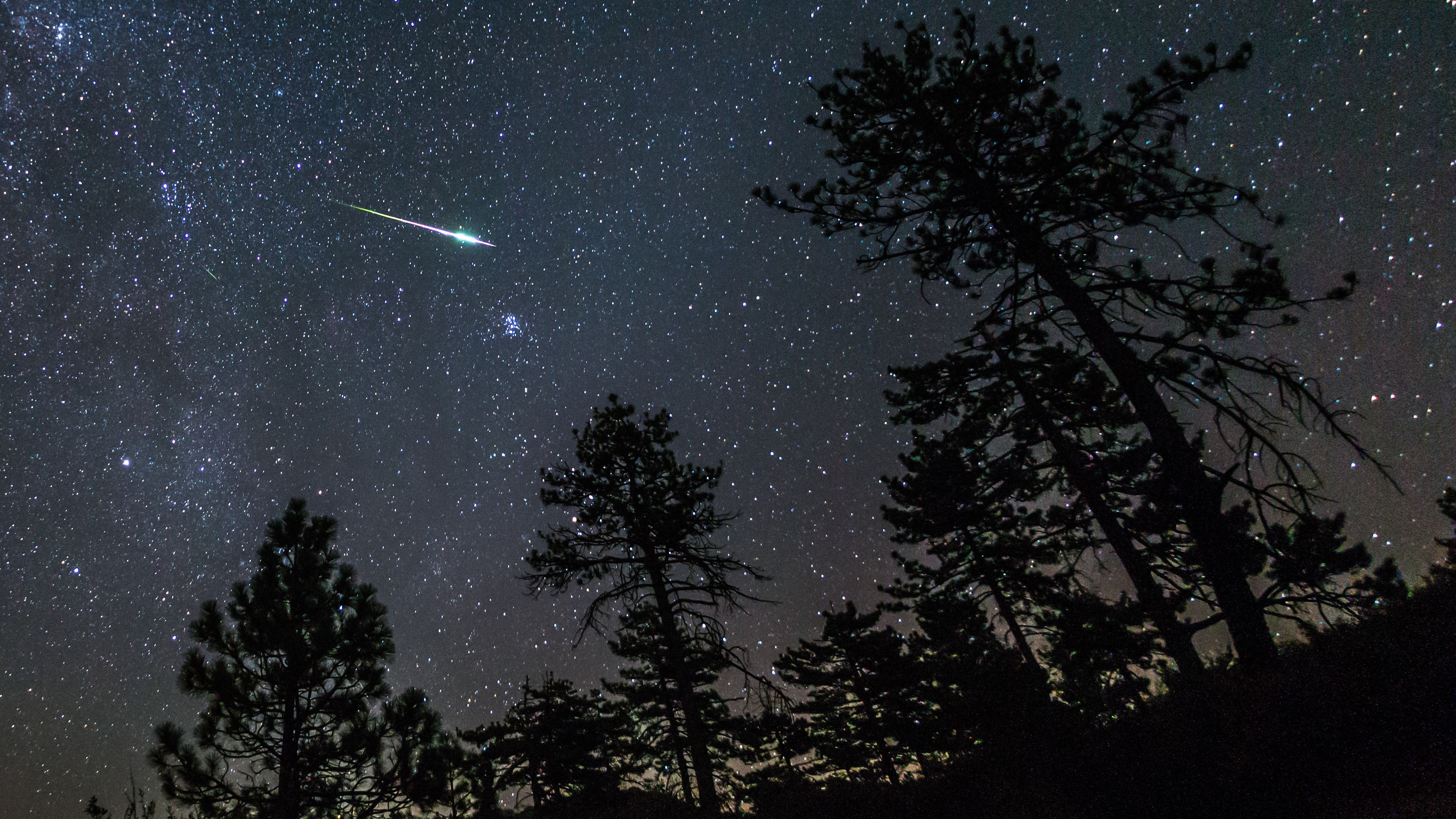
A meteor is photographed streaking through a starry sky above the silhouettes of trees
perseid peak
perseid peak
a meteor shower outburst graphic in the background shows multiple shooting stars in the foreground is yellow triangle with an exclamation mark inside.
A bright meteor is photographed lighting up the night sky.
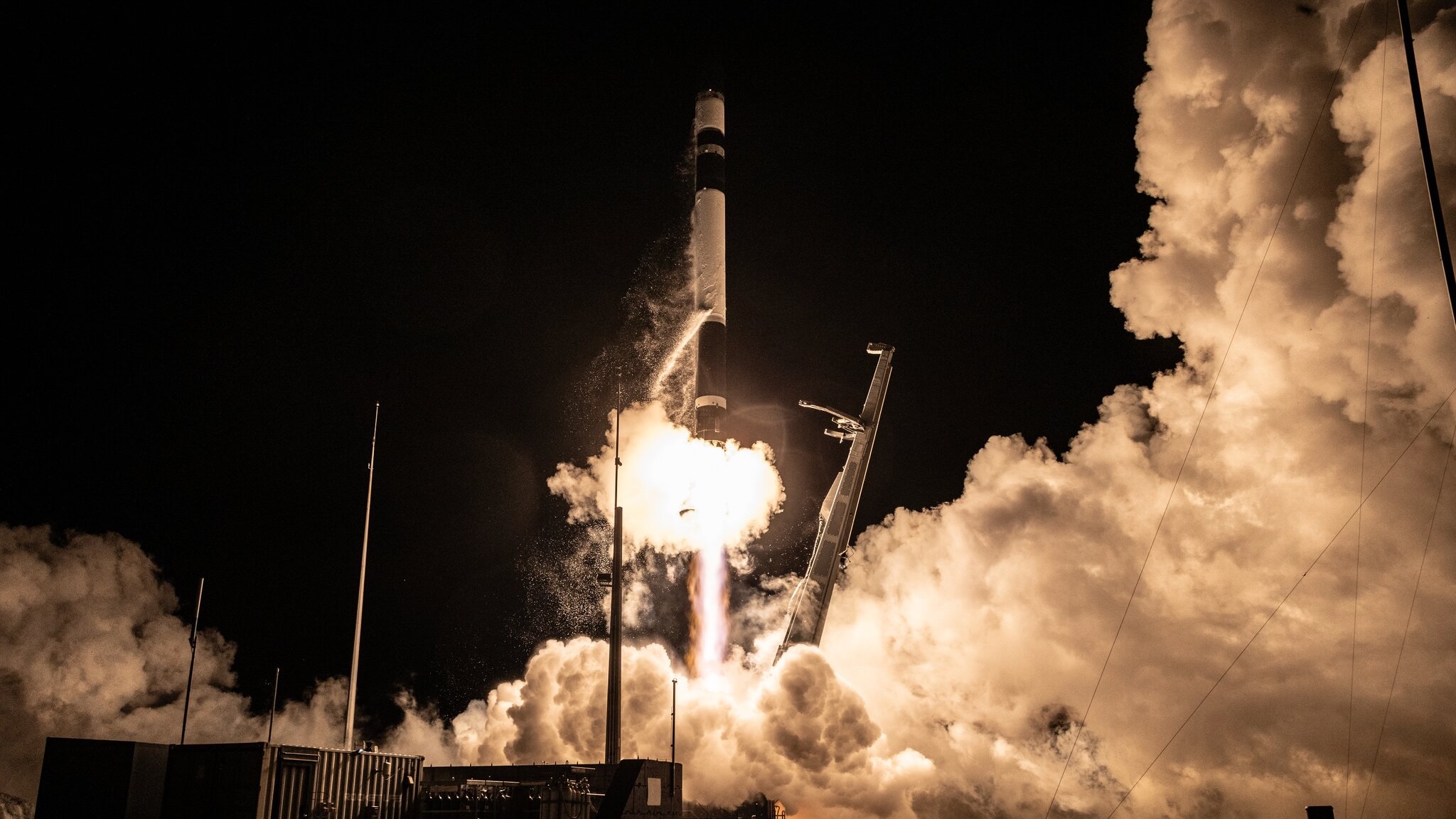
A Rocket Lab Electron rocket launches "The Grain Goddess Provides" mission for the Japanese company iqps from New Zealand on Aug. 6, 2026.
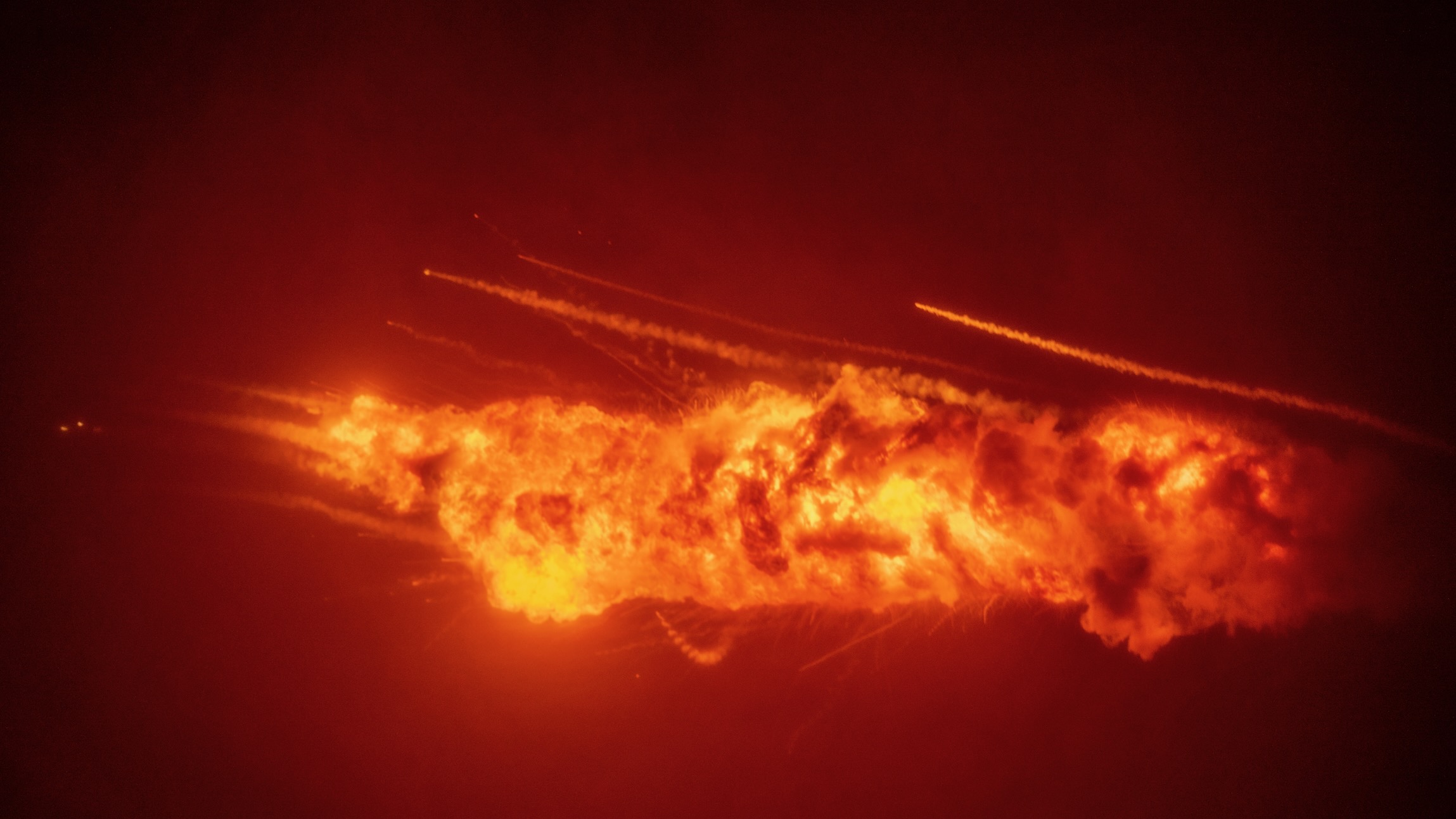
A Long March 7A rocket carrying the ChinaSat 4B satellite explodes shortly after launching from the Wenchang Spacecraft Launch Site on Aug. 10, 2026.
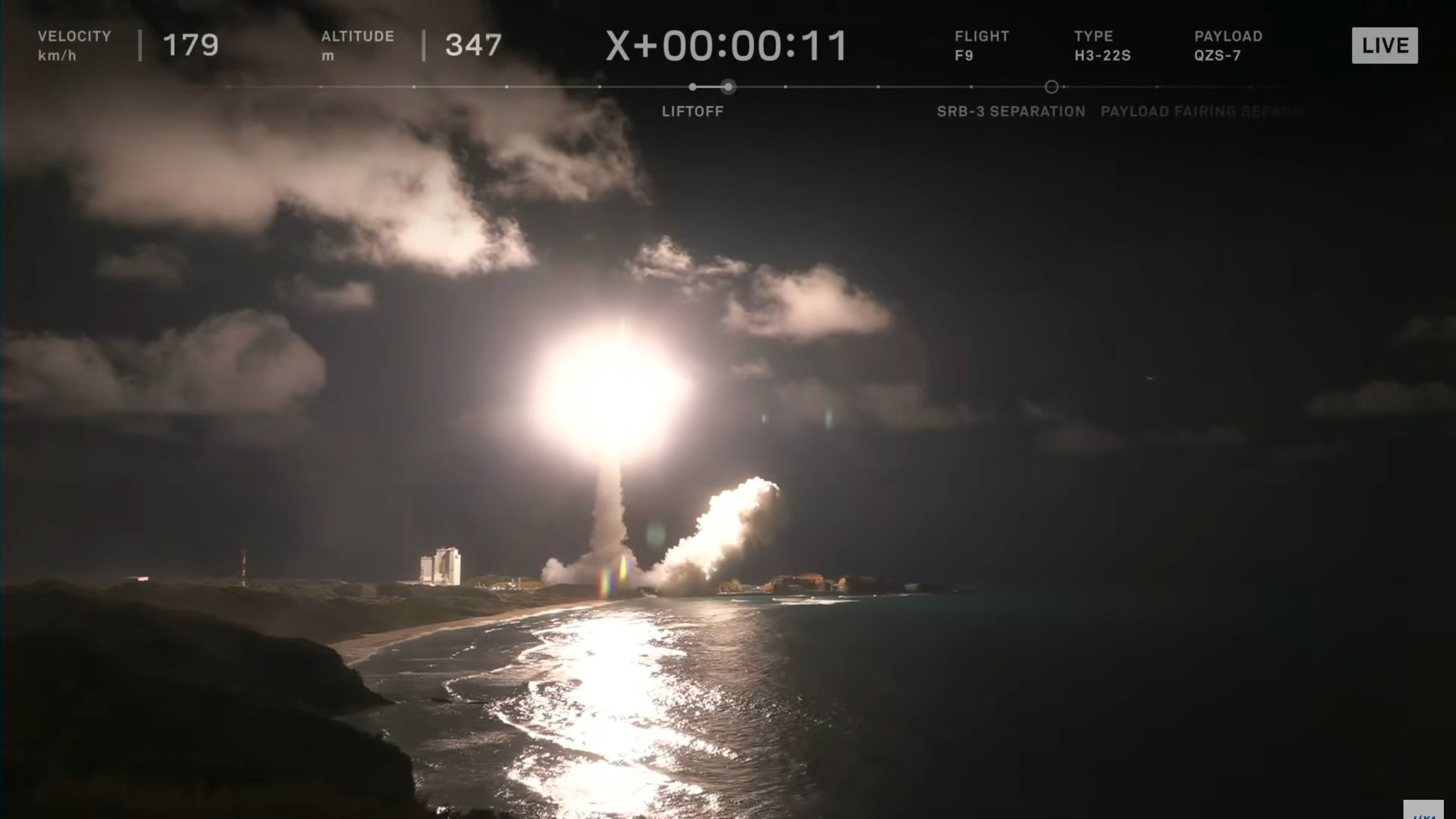
A Japanese H3 rocket launches the Michibiki 7 navigation satellite from Tanegashima Space Center on Aug. 10, 2026.
This Week In Space podcast: Episode 222 — How to Invade Earth in 22 Easy Steps
a meteorite is seen falling to Earth during a bright sunny day over a mountain range and lake.
a black-and-white photo taken from the moon's orbit showing the location of where a robotic probe landed near a crater (with a superimposed white arrow pointing to the site).
Original Publisher Dispatch

Originally published by Space.com

Read Original Coverage on Space.com