Renewable Energy Capacity Surpasses Fossil Fuels in European Power Grid
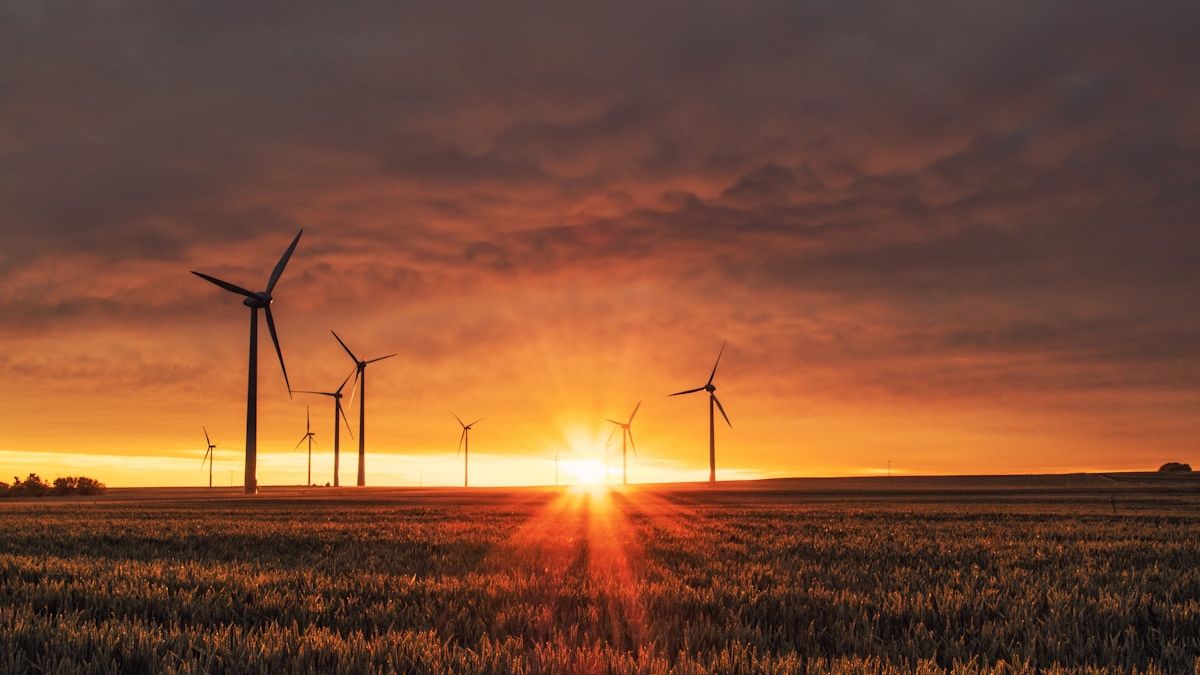
Historical Renewable Peak Records
A major milestone in the global transition to sustainable infrastructure has been achieved. Over the past twelve months, the combined electrical output of wind turbines and solar farms exceeded generation from fossil fuels across the European grid network.
The shift was driven by record-breaking wind installations in the North Sea and a surge in residential solar panels across central Europe. At the same time, coal-fired power stations continued their planned retirements, and natural gas usage declined as grid operators favored lower-cost renewable power.
The Intermittency and Storage Bottleneck
While the milestone is celebrated by environmental scientists, grid engineers caution that infrastructure capacity must adapt quickly. Renewables are intermittent by nature, necessitating massive investments in grid storage, high-voltage transmission lines, and battery installations to stabilize supply during periods of low wind or sunlight.
Nations are scaling up battery storage farms and researching green hydrogen storage systems to meet this need. The success of these efforts will decide whether renewable power can transition from a major grid contributor to the primary foundation of global networks.
Hodofeed's Perspective: Grids Must Evolve or Collapse
At Hodofeed, our analysis suggests that the green transition faces a transmission crisis, not a generation crisis. Solar farms are being shut down during peak daylight because regional grids cannot handle the load. We believe that investing in solar panels without updating grid-scale battery storage is useless. Governments must prioritize building high-voltage DC lines to distribute power from wind-rich coastal hubs to inland manufacturing centers.