'Launching anywhere, anytime and without compromise': Rocket Lab unveils new 'GHOST' portable spaceport system
'Launching anywhere, anytime and without compromise': Rocket Lab unveils new 'GHOST' portable spaceport system
"We've mastered the art of building launch sites. Now we're making them deployable worldwide."
When you purchase through links on our site, we may earn an affiliate commission. Here’s how it works.
Rocket Lab plans to start launching even more frequently and flexibly, thanks to a new portable spaceport system called "GHOST."
GHOST — short for "Global Hypersonic & Orbital Spaceport Technology" — turns the company's "Electron and HASTE rockets into a launch-anywhere, launch-anytime capability for multi-launch flight campaigns and critical national security missions," Rocket Lab representatives said in a statement today (Aug. 10).
"Packaged entirely within standard shipping containers, GHOST deploys complete rockets, launch infrastructure, ground support and range control systems anywhere in the world," they added.
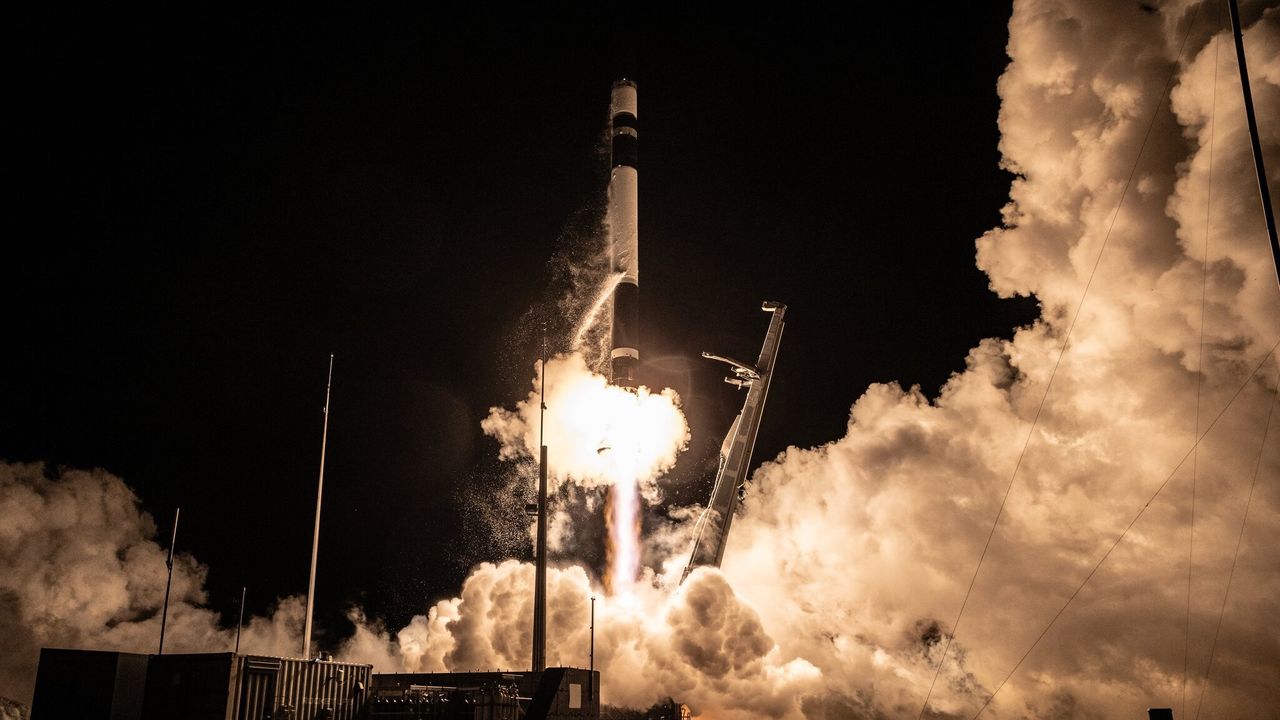
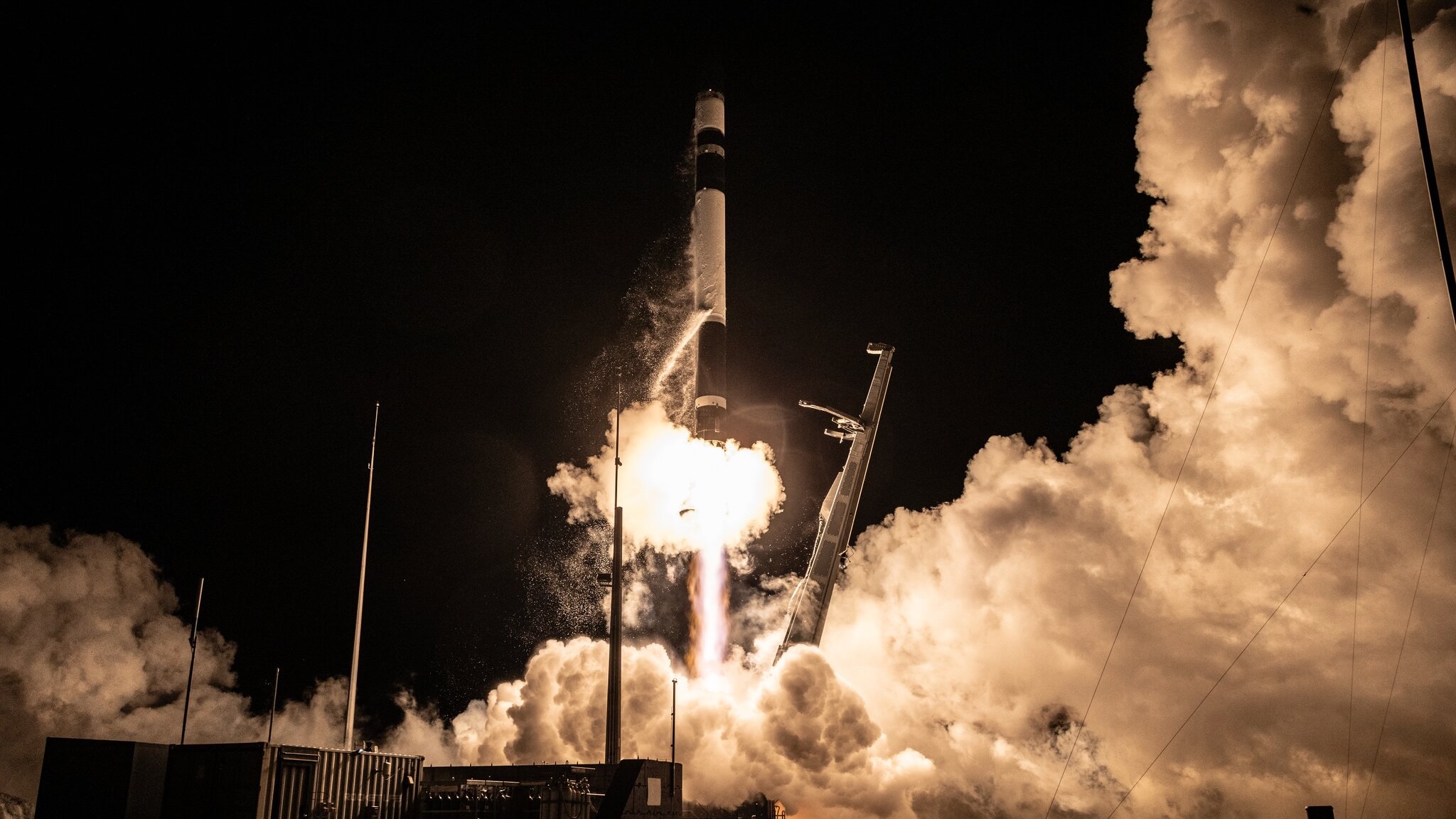
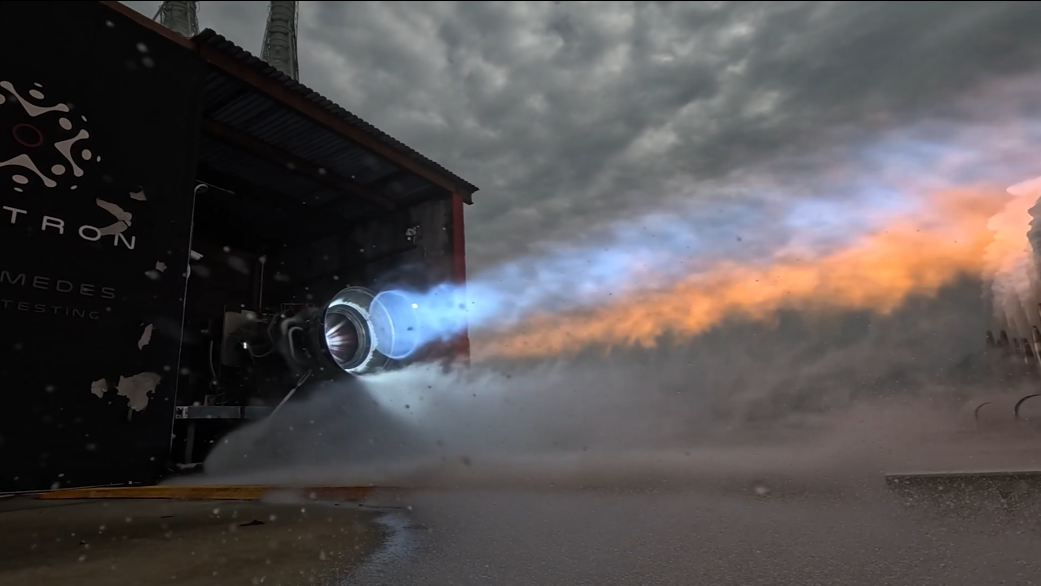
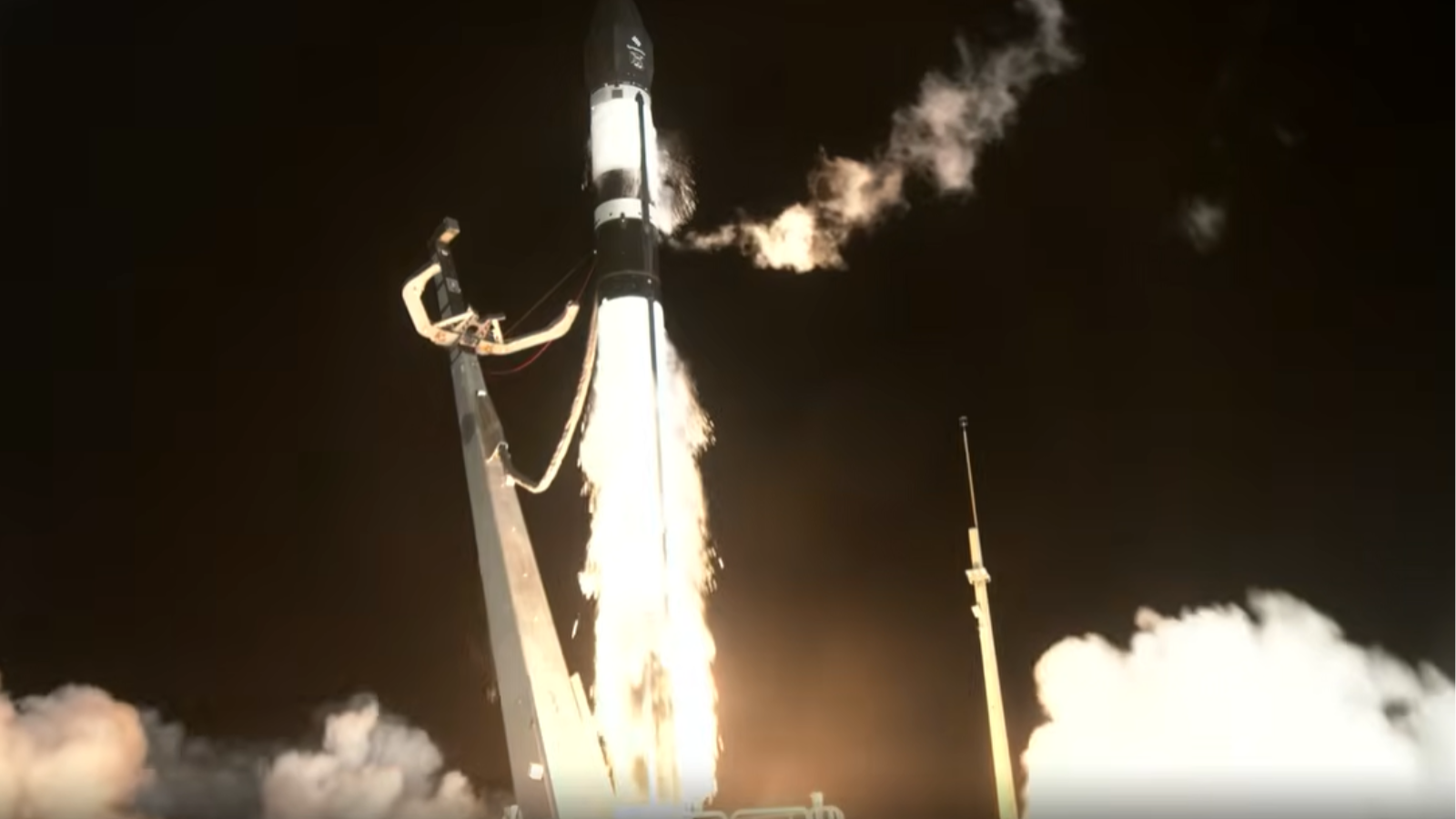
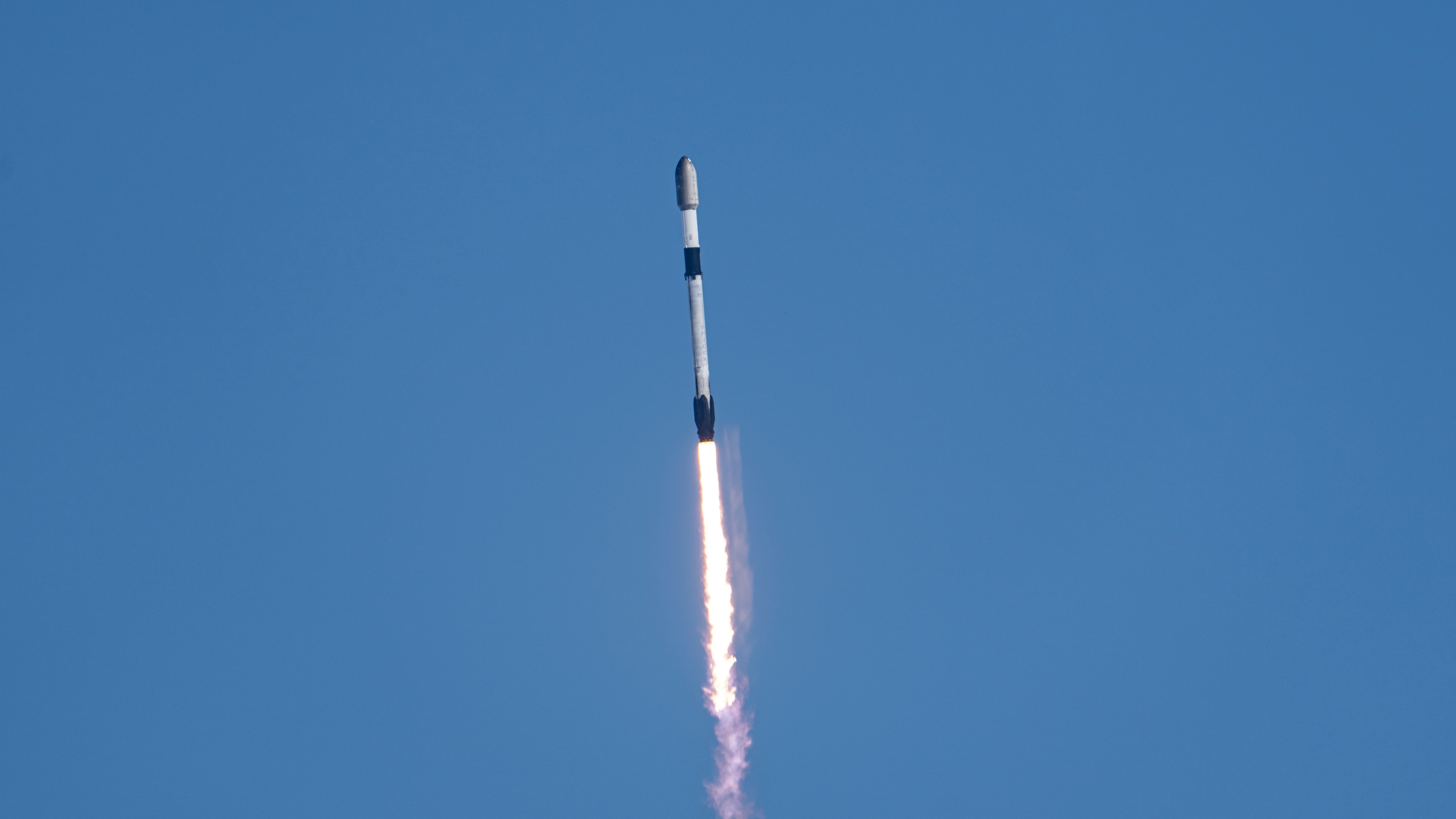
Electron is Rocket Lab's workhorse orbital rocket, giving small satellites dedicated rides to the final frontier. The expendable 59-foot-tall (18-meter-tall) launcher debuted with a test flight in 2017 and has 83 missions under its belt to date.
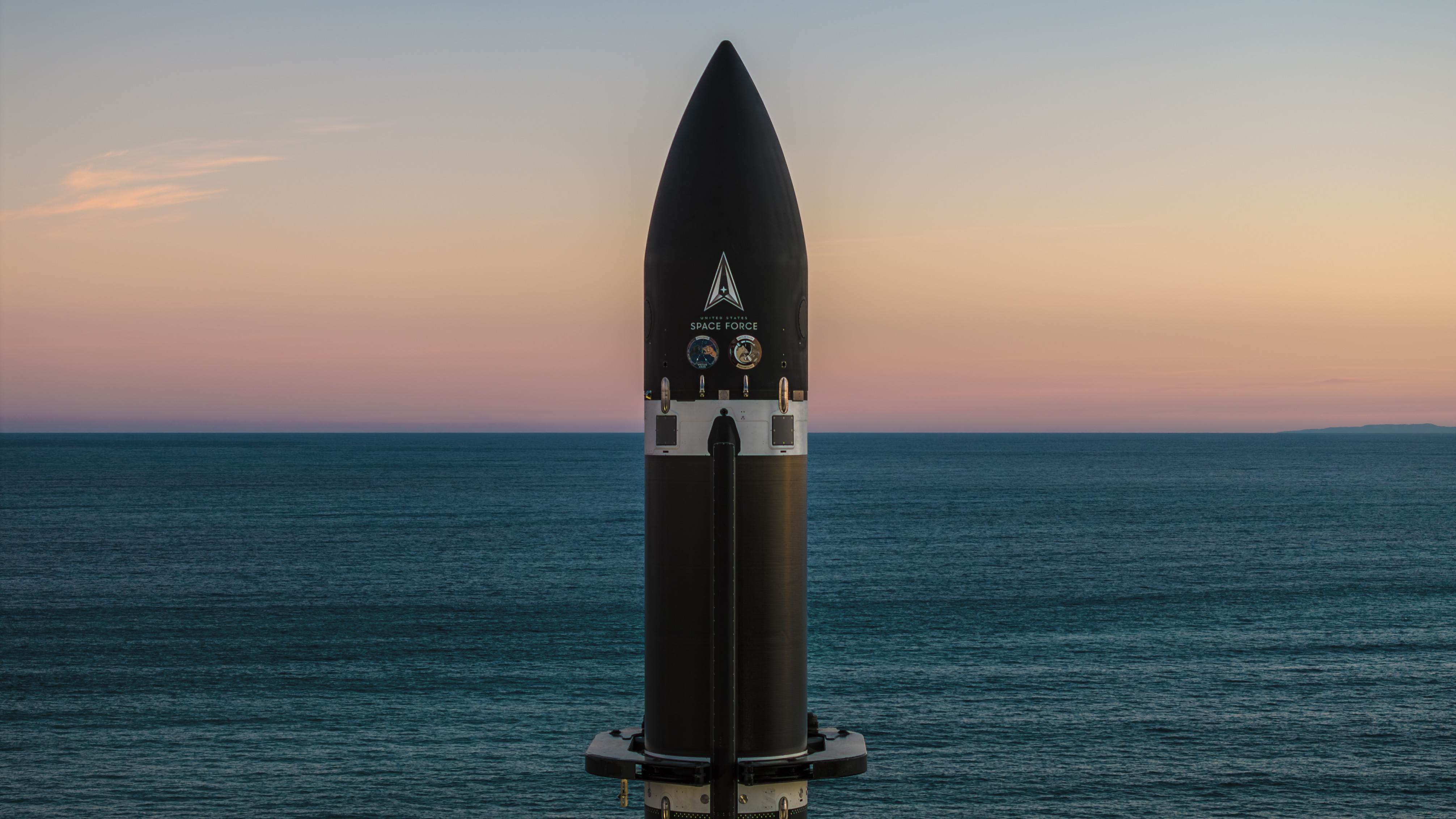
As its full name suggests, HASTE ("Hypersonic Accelerator Suborbital Test Electron") is a suborbital version of Electron that customers use to test various technologies in the hypersonic flight environment. HASTE first flew in June 2023 and has flown nine times to date, most recently in June of this year.
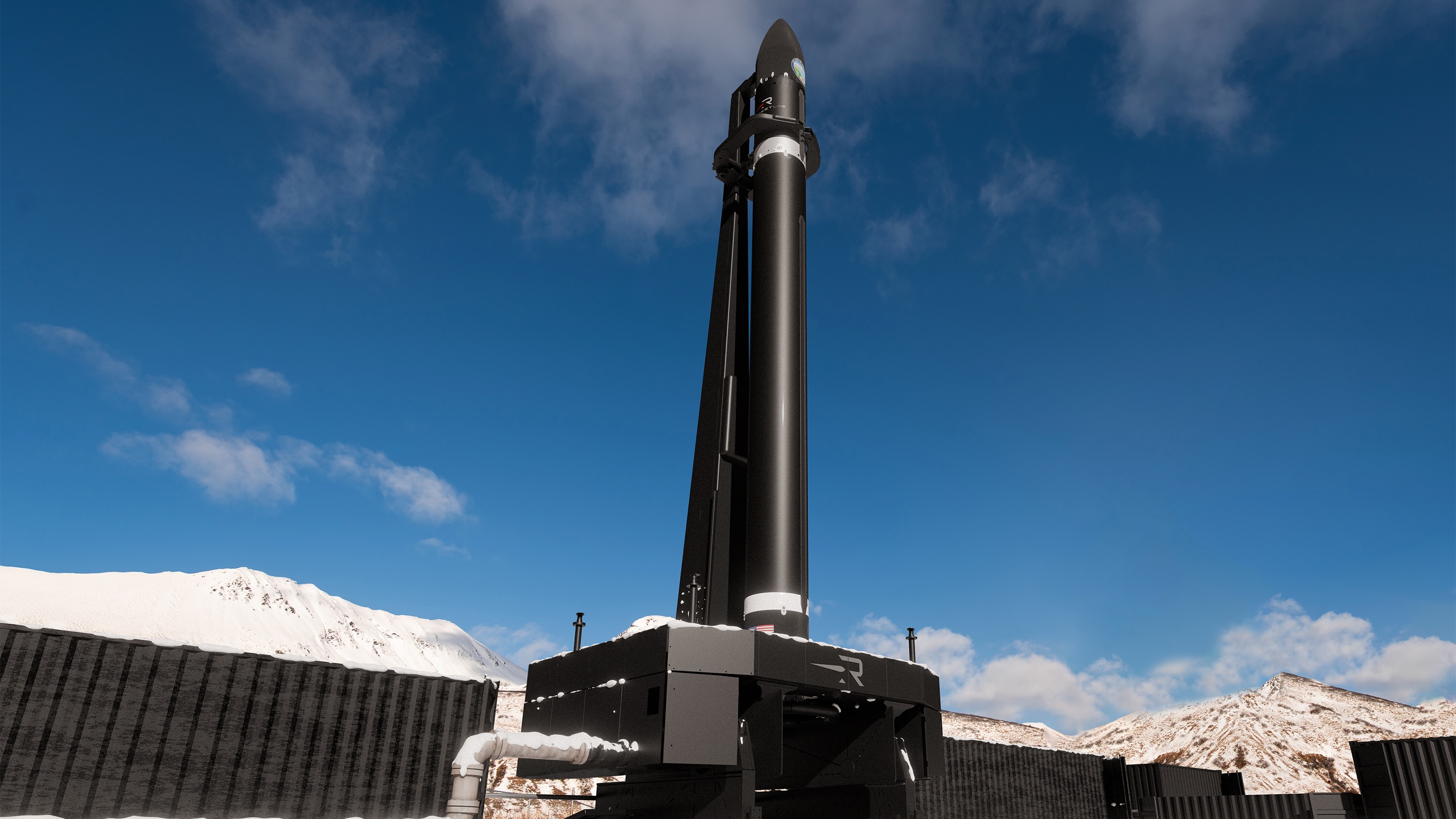

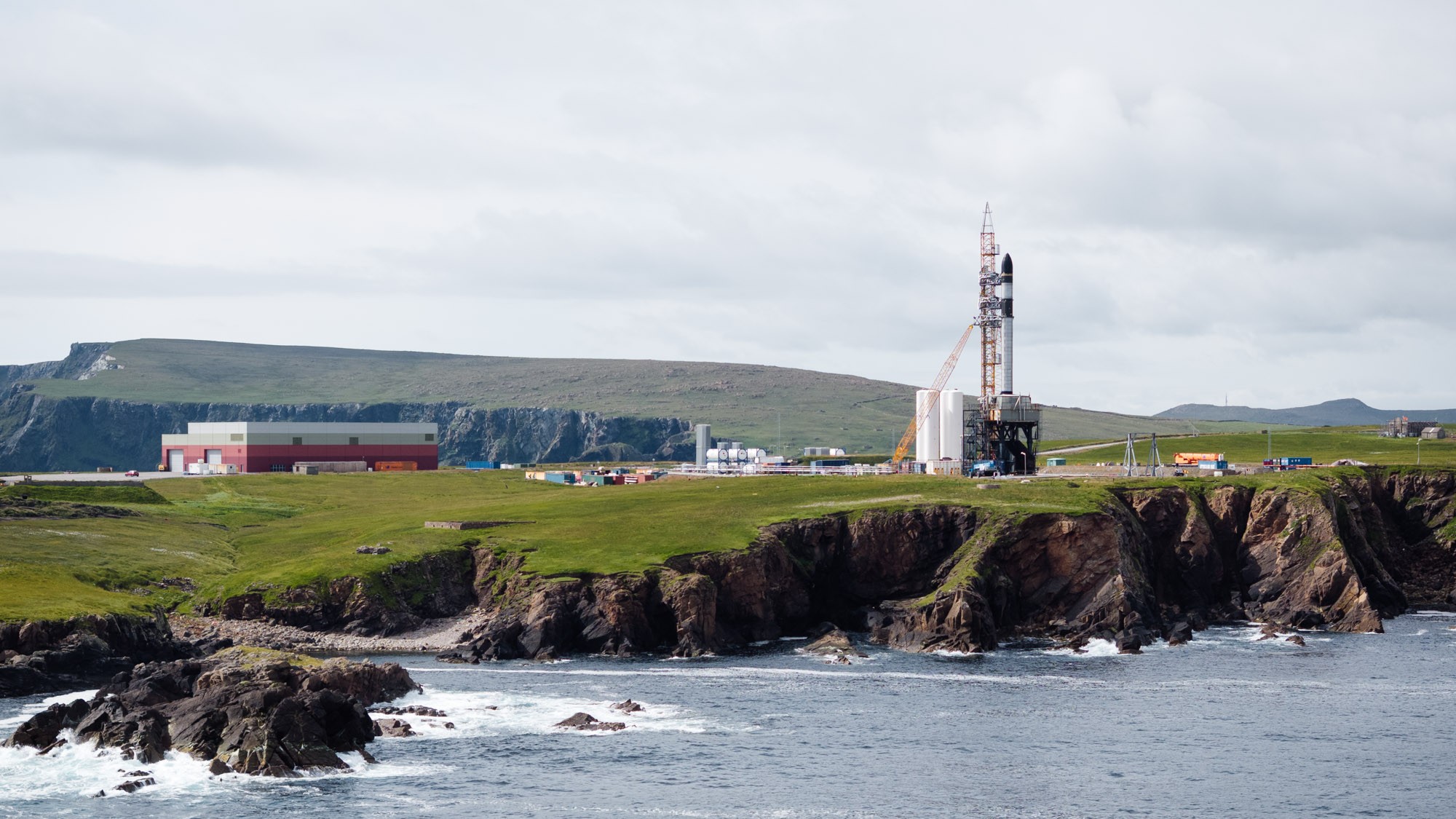
Rocket Lab currently flies from two different launch sites — one on the North Island of company founder and CEO Peter Beck's native New Zealand and one at Wallops Island in Virginia. But the company recently announced plans to fly out of Alaska's Pacific Spaceport Complex as well, and GHOST will expand its launch footprint even further.
"Electron and HASTE revolutionized small orbital launch and hypersonic testing. Now we're making it easier to deploy them wherever they're needed most, whether that's for missile defense testing or sovereign orbital launch capability," Beck said this afternoon during Rocket Lab's second-quarter 2026 earnings call.

"We've mastered the art of building launch sites," he added. "Now we're making them deployable worldwide."
Rocket Lab intends to deploy its two planned pads at the Pacific Spaceport Complex using GHOST, Beck said during the call. The company was inspired to develop the portable spaceport system, he added, to meet the needs of a HASTE customer, who expressed a desire for Rocket Lab to be "a little bit more mobile than we are."
Rocket Lab currently flies out of two pads at its New Zealand site and one at Wallops, though it has built a second pad at the Virginia facility to accommodate launches of its coming Neutron rocket.
Neutron will be bigger and more powerful than Electron, and partially reusable as well; its first stage is designed to come back to Earth for recovery and reflight, like SpaceX's Falcon 9.
Rocket Lab originally wanted to fly Neutron for the first time in 2024, but the new launcher has yet to leave the ground. Such delays aren't uncommon in the case of new rockets, and the company is making considerable progress with Neutron, according to Beck.
"Every part of the vehicle has now seen significant testing," he said during today's call. "As with any complex development program, we've had to tweak a few things along the way, but we're moving now into final checkout and assembly of all of our flight hardware before integrating them at the pad."
The company is on target to deliver the first Neutron to that Wallops pad in the fourth quarter of this year, Beck added.
You must confirm your public display name before commenting
Please logout and then login again, you will then be prompted to enter your display name.

Michael Wall is the Spaceflight and Tech Editor for Space.com and joined the team in 2010. He primarily covers human and robotic spaceflight, military space, and exoplanets, but has been known to dabble in the space art beat. His book about the search for alien life, \"Out There,\" was published on Nov. 13, 2018. Before becoming a science writer, Michael worked as a herpetologist and wildlife biologist. He has a Ph.D. in evolutionary biology from the University of Sydney, Australia, a bachelor's degree from the University of Arizona, and a graduate certificate in science writing from the University of California, Santa Cruz. To find out what his latest project is, you can follow Michael on Twitter.","collapsible":{"enabled":true,"maxHeight":250,"readMoreText":"Read more","readLessText":"Read less"}}), "https://slice.vanilla.futurecdn.net/13-4-25/js/authorBio.js");
} else {
console.error('%c FTE ','background: #9306F9; color: #ffffff','no lazy slice hydration function available');
}
Mike WallSocial Links NavigationSpaceflight and Tech EditorMichael Wall is the Spaceflight and Tech Editor for Space.com and joined the team in 2010. He primarily covers human and robotic spaceflight, military space, and exoplanets, but has been known to dabble in the space art beat. His book about the search for alien life, "Out There," was published on Nov. 13, 2018. Before becoming a science writer, Michael worked as a herpetologist and wildlife biologist. He has a Ph.D. in evolutionary biology from the University of Sydney, Australia, a bachelor's degree from the University of Arizona, and a graduate certificate in science writing from the University of California, Santa Cruz. To find out what his latest project is, you can follow Michael on Twitter.

Originally published by Space.com —